
Why Work With a Travel Advisor?
What a travel advisor actually does, how advisors are paid, and the questions worth asking before you choose one.
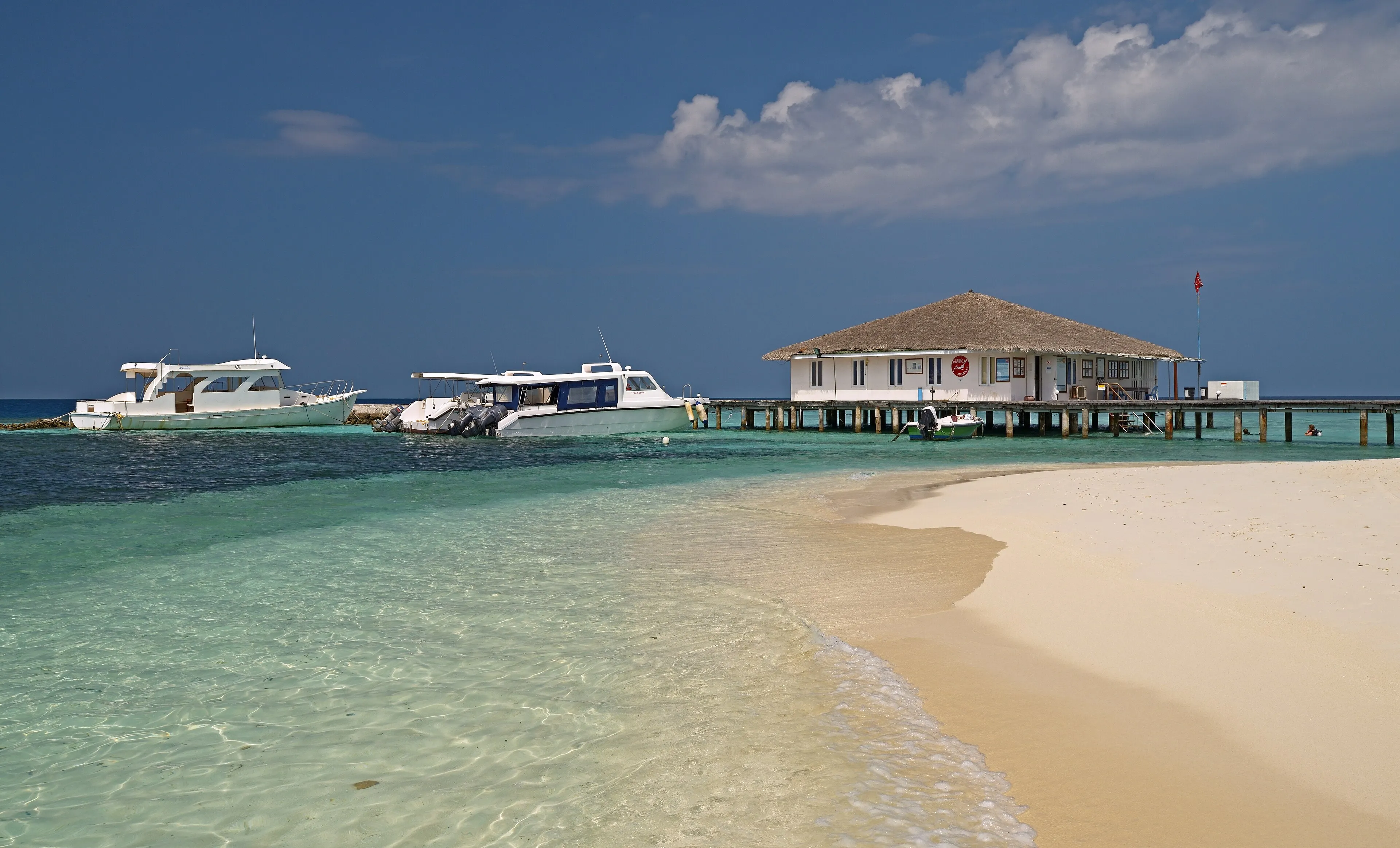
Dry season or wet? How the two monsoons shape Maldivian weather, crowds and prices, and which months suit a honeymoon, family trip or dive trip.
The Maldives is warm year-round, with air temperatures hovering in the mid-80s Fahrenheit and water that rarely dips below the low 80s. So the question is less about temperature and more about rainfall, sea conditions, crowds and value. Here is how we help clients choose the right time to go.
The Maldivian year is shaped by two monsoon seasons. The northeast monsoon, known locally as iruvai, brings the dry season from roughly December through April. The southwest monsoon, or hulhangu, brings a wetter, windier season from about May through November.
“Wet season” can sound alarming, but it rarely means days of steady rain. More often it means dramatic afternoon showers that pass quickly, followed by sunshine. Weather also varies between the northern and southern atolls, and between years, so treat the seasons as tendencies rather than guarantees.
This is when most travelers dream of going, and for good reason. Expect calm seas, clear skies, low humidity and excellent visibility for snorkeling. It is ideal for honeymoons, first visits and anyone who wants the best odds of postcard weather.
The trade-off is demand. The weeks around Christmas, New Year and Easter are the busiest and most expensive of the year, and the best villas often book up many months ahead. If you are planning a holiday-season trip, we recommend starting a year out.
The shoulder and low seasons bring more variable weather, but also real advantages. Resorts are quieter, rates are frequently lower, and many properties offer value-added promotions such as extra nights or included meals. For travelers who are flexible and mostly want to relax, this can be an excellent choice.
Late summer is also a special time for marine life. Manta rays gather in certain atolls, and Hanifaru Bay in Baa Atoll is famous for large manta aggregations, typically from around June through November. Divers and snorkelers hoping to see mantas may find this season more rewarding than the dry months. Whale sharks, by contrast, can be seen in South Ari Atoll year-round.
Seaplanes fly only in daylight, so international arrival times matter. A late-evening landing in Malé may mean an overnight stay near the airport before continuing. Seaplanes also have luggage weight limits, which are worth checking before you pack.
Choose your resort as carefully as your dates. Island size, reef quality, villa style and transfer time vary enormously, and the right match makes more difference to your experience than a few weeks either way on the calendar.
For an idea of how a stay there can be paced, see our Maldives Overwater Escape itinerary.
Plan your own
Tell us your month and who’s traveling, and we’ll suggest resorts and a pace to match.
What a travel advisor actually does, how advisors are paid, and the questions worth asking before you choose one.
Practical advice for traveling with grandparents, parents and children, from choosing a destination to pacing the days and sharing the costs gracefully.